

Ehsaas International & MB Welfare Society organised one day awareness on Agriculture Based Livelihood Program for Dal farmers
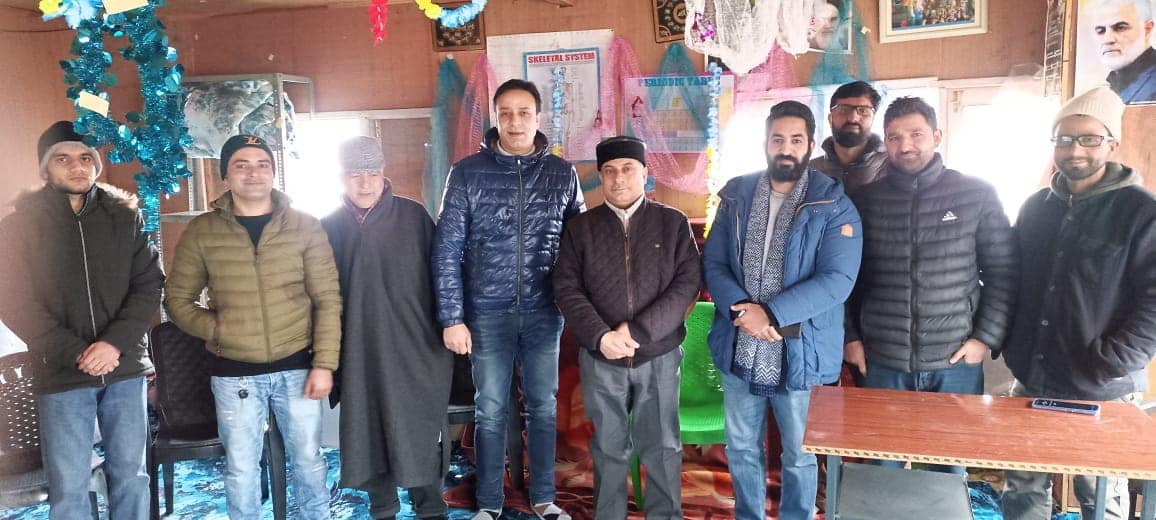
In a significant move Ehsaas International & Mir Behri welfare society organised awareness on Agriculture Based Livelihood for Dal farmers. The farmers were given information regarding new techniques related to a wide variety of Hybrid vegetables with potential for higher yield and awareness regarding various Govt schemes benefitting farmers involved in vegetable cultivation.
The program was presided over by Prof Dr. K.N.Qaisar Controller Examination, Sher-e-Kashmir University of Agricultural Sciences & Technology (SKUAST) Kashmir and attended by various scientists including Dr. Mohammad Imad, Scientist -C Ahmadabad Agricultural University, Dr. Mehraj-u-din, Asstt. Prof. SKUAST, Imtiyaz Ali other dignitaries volunteers and local farmers.
It’s pertinent to mention the Dal Lake area in Sringar, Kashmir is known for its rich agricultural lands, with farmers practising traditional methods of vegetable cultivation. However, with the advancement of technology and innovative agricultural techniques, there is a need to initiate an Agriculture Based Livelihood Program to create awareness about hybrid vegetable cultivation and to educate farmers about the benefits of hybrid seeds, better irrigation systems and to make them aware of the government schemes that support this type of agriculture in various parts of the state.
In this regard Ehsaas International initiated a program inside Dal area where experts put light on different techniques and ways of agriculture which are sustainable and viable for farmers. New Techniques and Information: The program focused on providing farmers with information about growing Wicker Willow for which waste water bodies in Dal area are perfect place for growth, and vegetables that are more productive, disease-resistant and have a longer shelf life. The program also highlights the importance of using modern irrigation systems such as drips and sprinklers, hydroponic and aquaponic farming which helps conserve water and increases crop yield. The farmers were also taught about the proper use of fertilizers and pesticides to maintain soil health and increase the productivity of their crops. Farmers were made aware of government schemes which can be utilized by the farmers for safe and sustainable farming including using poly-house and high tech green houses.
Wicker Willow farming and Vegetables expert Dr. Mohammad Imad, who has extensive research on Wicker willow farming elaborated how Dal farmers can start this business as this area is perfect place for it. He also explained how they can increase their sustenance as people are become more aware of eco-friendly products and the ways of sustainable farming. Dr. Imad put light on how wicker willow weaving is also undergoing a transformation, especially after the Covid pandemic and with advent of modern technology. It was also discussed that how earlier, the demand for wicker-made goods wasn’t much because products were limited to baskets and outer covers for fire pots, and now the demand shifted from traditional use to decoration and furniture by which the sales have also increased. Imtiyaz Ali explained different ways of farming techniques that how floating gardens can be alternative and perfect ways of growing vegetables in Dal and can be managed easily during floods. This, in turn, helps farmers to increase their crop yields and improve their livelihoods. The government has introduced several schemes to support farmers involved in vegetable cultivation, including the Pradhan Mantri Fasal Bima Yojana, which provides insurance cover for crops, and the Pradhan Mantri Kisan Samman Nidhi, which provides financial assistance to farmers. There are also several other schemes that provide subsidies and loans to farmers to help them purchase modern irrigation systems and hybrid vegetable seeds. The Agriculture Based Livelihood Program in Sringar, Kashmir is a step towards promoting sustainable and profitable agriculture in the region by providing farmers with information and support, the program is helping to improve their livelihoods and increase the productivity of their crops.